100
Bemærk: Denne introduktion opsummerer dine resultater.
For at se den fulde rapport og alle dens moduler skal du afslutte den eller blot scrolle ned på et hvilket som helst tidspunkt.
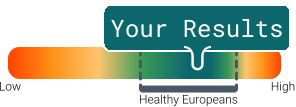
Sunde europæere
Sunde europæere er vores vigtigste referencegruppe. Det er relevant at sammenligne dig selv med en gruppe af europæiske individer, der anses for at være sunde, uden kendte sygdomme og med normal kropsvægt.
Alle brugere
Alle brugere er en referencegruppe med alle vores tests. Det er en meget forskelligartet gruppe af individer med en bred vifte af forskellige karakteristika. Vi ved, at denne gruppe både indeholder personer med helbredsproblemer og personer med en meget proaktivt sundhedstilgang. Denne reference er relevant, hvis du ønsker at sammenligne dine resultater med et generelt udsnit af befolkningen.
Ikke-industriel livsstil
Ikke-industriel livsstil er en referencegruppe med mennesker fra en landbrugs-, jæger- eller samlerbaggrund og et mikrobiom, der ikke er påvirket af en vestlig livsstil. Denne reference er relevant, hvis du vil sammenligne dine resultater med mennesker fra andre kulturer, hvor den mikrobielle eksponering er høj og anderledes på grund af en mere traditionel livsstil.
Høj diversitet
Denne referencegruppe inkluderer de 25 procent af tests, som har den højeste diversitet.
Lav diversitet
Denne referencegruppe inkluderer de 25 procent af tests, som har den laveste diversitet
Moderat overvægt
Denne reference omfatter europæiske individer, der anses for at være raske, uden kendte sygdomme og et BMI mellem 25 - 29,9.
Svær overvægt
Denne reference omfatter europæiske individer, der anses for at være raske, uden kendte sygdomme og et BMI på 30 eller højere.
Det er vigtigt at bemærke, at korrelation ikke betyder årsagssammenhæng. Med andre ord, når vi siger, at en mikrobe er blevet associeret med et bestemt fænomen, betyder det ikke, at den forårsager det fænomen.








Din tarmceller udskifter sig naturligt.
Så vi forventer, at en del af DNA'et i din prøve faktisk er dit eget DNA.

Resten tilhører dit tarm-mikrobiom.
Dit tarm-mikrobiom består af alle mikroorganismer, der lever i din fordøjelseskanal.
<0,1
99,9
99,9


Vi kan opdage følgende mikrober, der udgør dit tarm-mikrobiom:
DNA, som vi ikke kan afkode, forbliver Uklassificeret.
99,9
94,1
0,1
0,2
5,5
Vi fokuserer på


Bakterier er de naturlige beboere i din tarm.
De fleste af dem nedbryder fødevarekomponenter, som vi ellers ikke kan fordøje.
Vores kroppe har brug for dem for at forhindre væksten af skadelige organismer.
De hjælper med at træne vores immunsystem, så det fungerer korrekt.
Archaea er en slags fætter til bakterier, der findes i tarmene hos nogle mennesker.
De har forskellige egenskaber:
Deres indvirkning på vores helbred bliver stadig undersøgt, men de forbindes med reduceret oppustethed og langsom fordøjelse.
Svampe betragtes også som normale indbyggere i din tarm, som kan findes hos nogle, men ikke alle, mennesker.
De er involveret i fordøjelses- og immunfunktioner og bidrager til et balanceret økosystem i din tarm.
Vi har detekteret 175 unikke arter af bakterier, 1 arter af archaea og 2 arter af svampe i dit tarm-mikrobiom.

 Skæv fordeling
Jævn fordeling
Skæv fordeling
Jævn fordeling
Vejledning
I dette modul sammenligner vi de relative niveauer af DNA, vi fandt i din prøve, med vores interne Sunde europæere reference. Vi rapporterer afvigelser i rødt og markerer matchende niveauer med grønt. Værdierne i visualiseringerne vises som %.
En afvigelse er ikke nødvendigvis en grund til bekymring, men det kan være en værdifuld information i forbindelse med din sundhed.
Nogle gange finder vi DNA som ikke kan artsbestemmes på grund af manglende information. Som et eksempel kan det betyde, at vi er i stand til at vise dig, at vi opdager svampe-DNA, men i svampemodulet kan vi ikke vise noget, da vi ikke kunne knytte dette DNA til en bestemt svampeart.
Vi detekterer forskellige typer af tarmens mikroorganismer og sammenligner dem med vores referencegruppe Sunde europæere. I din prøve har vi fundet:
Vi detekterer også menneskeligt DNA og sammenligner dem med vores referencegruppe Sunde europæere. I din prøve har vi fundet:
Vores tarm er hjemsted for mange små mikroorganismer. Disse omfatter bakterier, archaea, svampe og mere. De hjælper os med at fordøje mad og holde os sunde.
Disse mikroorganismer er for små til at se med vores øjne. Vi kan ikke bare se på dem for at vide, hvilke der er der. Hver type mikroorganisme har sit eget unikke DNA, som er ligesom en særlig kode, der fortæller os, hvad det er, og hvad det kan. For at finde ud af, hvilke mikroorganismer der er i tarmen, tager vi prøven til et laboratorium og ekstraherer DNA'et fra alle mikroorganismerne i prøven. Ved at sammenligne DNA'et fra prøven med en stor database med kendt DNA fra forskellige mikroorganismer, kan vores team identificere, hvilke og hvor mange der er i din tarm.
Vi fokuserer i øjeblikket på at analysere bakterier, arkæer og svampe, men vi finder også altid DNA fra dine menneskelige celler, som vi kalder "menneskeligt DNA". DNA, som vi ikke kan tildele, forbliver som "uklassificeret".
Du kan lære mere om DNA ved at klikke på -knapperne på hvert underafsnit nedenfor.
De mikrober, som vi er i stand til at analyserer i din tarm, er bakterier, arkæer og svampe. Den del af DNA, som vi uden tvivl ikke kunne tildele, betragtes som uklassificeret. De summerer op til 100 %, da de alle er dele af dit tarmmikrobiom.
Hvad kan du forvente af dine relative niveauer af bakterielt DNA?
Bakterier er hovedbestanddelen af tarmens mikrobiom. De er små sammenlignet med menneskelige celler, imens deres antal i tyktarmen alene omtrent matcher antallet af celler i din krop.
Derfor forventer vi at se høje relative mængder af bakterielt DNA.
Alligevel er der forhold forbundet med en lav relativ mængde. Bakteriebelastningen blev rapporteret at være lavere hos mennesker med tilstande som Crohns sygdom eller depression sammenlignet med i en sund reference.
Hvad med archaeal DNA?
Archaea findes ikke hos alle mennesker. Faktisk viste en nylig koreansk undersøgelse at mindre end halvdelen af de testede prøver var positive for arkæal DNA. Derudover kan den relative fordeling variere kraftigt med værdier mellem 0,1 til 21,3%.
Isolerede undersøgelser har vist en høj overflod af archaea i sammenhæng med visse tilstande:
Det er dog vigtigt at bemærke, at archaea indtil for nylig kunne ikke opdages pålideligt. Derfor skal disse offentliggjorte videnskabelige opdagelser betragtes med forsigtighed. Archaea udfylder adskillige underudforskede metaboliske roller og ser derfor ud til at påvirke vores helbred på uklare, indirekte måder. Der er ingen kendte patogene arkæer, men der er også stadig meget, som vi endnu ikke ved om dem.
Hvad ville vi forvente af svampe-DNA?
Svampe er en anden stor gruppe af mikroorganismer, som også er en del af dit naturlige mikrobiom.
Som du ved, ligesom de bakterier og arkæer, som du allerede er bekendt med, interagerer svampe med menneskers sundhed. Typisk dominerer bakterier mikrobiomet, med kun små relative mængder svampe til stede.
Men under nogle forhold kan visse svampe udkonkurrere bakterier, som ændrer denne balance:
Fortolkning af resterne
Ikke-tildelt DNA er den procentdel af DNA, som vi ikke med sikkerhed kan tildele nogen af kilderne nævnt ovenfor.
En procentdel af DNA ikke-tildelt DNA højere end referenceområdet kunne indikere, at der er flere mikroorganismer, som:
En procentdel af ikke-tildelt DNA lavere end referenceområdet kunne indikere, at andelen af en eller flere kendte kilder er højere.
Hvordan kommer dit eget DNA ind i din afføring?
Din krop fornyer sig konstant. Gamle celler dør, når nye celler tager deres plads. Så, ligesom din hud, udskiller din tarm jævnligt dødt materiale.
Dette sker så ofte, at du cirka hver femte dag har et helt nyt sæt celler langs indersiden af din tarm. Når de gamle celler dør, følger de en protokol der opretholder tarmens barrierefunktion og en anden, der inkluderer destruktion af det meste af deres DNA. De fragmenter, der er tilbage, kan findes i din afføring i meget små mængder. Hos de fleste er dette mindre end 1% af det samlede DNA fundet i afføring.
Der er processer i tarmen, som drastisk øger mængden af DNA fundet i afføring, fordi de fører til en stigning i celler, der bliver beskadiget eller dør; eller fordi de forstyrrer protokollen for ordnet selvdestruktion.
Udover at være repræsentative for flere typer af problemer i din tarm, er det måske ikke ønskeligt at have en meget høj mængde DNA i din afføring, da det kan en indikator for tab af barrierefunktion og associeret med en forhøjet risiko for infektion med Clostridium difficile.
En høj mængde menneskeligt DNA reducerer følsomheden af vores analyser, hvilket gør det sværere for os at finde mikrober i små mængder.
 Skabt af Unseen Bio
Dette sæt er defineret af Unseen Bio og er synligt for alle.
Du har adgang til denne test, fordi brugeren har delt deres resultater med dig. Du kan dele dine resultater her.
Din Biom-familie
For at forenkle sammenligninger mellem individer udtrykker vi sammenlignelighed som typer af relationer:
Sociale relationer former tarmmikrobiomet
Du udveksler uundgåeligt mikrober med mennesker og dyr, som du bor sammen med. De levevilkår, du deler med dem, påvirker yderligere dine individuelle mikrobiomer til at udvikle sig i samme retning. Dette har den effekt, at ægtefæller har flere lignende mikrobiomer end søskende, og mennesker, der bor sammen, har flere lignende tarmmikrobiomer end tilfældige fremmede.
Note:
Vi har defineret disse assosiationer på konceptet ovenfor. Da tarmens mikrobiom påvirkes af mange faktorer, betyder disse assosiationer ikke at du er beslægtet eller har anden social forbindelse.
Sunde europæere
Sunde europæere er vores vigtigste referencegruppe. Det er relevant at sammenligne dig selv med en gruppe af europæiske individer, der anses for at være sunde, uden kendte sygdomme og med normal kropsvægt.
Alle brugere
Alle brugere er en referencegruppe med alle vores tests. Det er en meget forskelligartet gruppe af individer med en bred vifte af forskellige karakteristika. Vi ved, at denne gruppe både indeholder personer med helbredsproblemer og personer med en meget proaktivt sundhedstilgang. Denne reference er relevant, hvis du ønsker at sammenligne dine resultater med et generelt udsnit af befolkningen.
Ikke-industriel livsstil
Ikke-industriel livsstil er en referencegruppe med mennesker fra en landbrugs-, jæger- eller samlerbaggrund og et mikrobiom, der ikke er påvirket af en vestlig livsstil. Denne reference er relevant, hvis du vil sammenligne dine resultater med mennesker fra andre kulturer, hvor den mikrobielle eksponering er høj og anderledes på grund af en mere traditionel livsstil.
Høj diversitet
Denne referencegruppe inkluderer de 25 procent af tests, som har den højeste diversitet.
Lav diversitet
Denne referencegruppe inkluderer de 25 procent af tests, som har den laveste diversitet
Moderat overvægt
Denne reference omfatter europæiske individer, der anses for at være raske, uden kendte sygdomme og et BMI mellem 25 - 29,9.
Svær overvægt
Denne reference omfatter europæiske individer, der anses for at være raske, uden kendte sygdomme og et BMI på 30 eller højere.
I dette modul sammenlignes din tarms mikrobiom med andre mikrobiomer. Denne kvantificering af ligheder mellem grupperinger kaldes også for beta-diversitet.
For at kunne lave denne sammenligning analyseres hver mikrobe og sammenholdes med referencegruppen.
En lav værdi tæt på 0% betyder, at dine biologiske data og den valgte referencegruppe er meget forskellig.
En høj værdi tæt på 100 % betyder, at dine biologiske data og den valgte referencegruppe er identisk.
Er en høj værdi bedre end en lav?
Hvorvidt en høj værdi med en af vores referencer er fordelagtig, afhænger af sammensætningen af referencegruppen, samt din alder, køn ved fødslen og kropsbygning. Derfor anvendes en neutral farveskala.
Bemærk:
Højeste værdi vises først og laveste til sidst.
Dit mikrobiom er [[ Math.round(cohort.value) ]]% sammenligneligt med referencegruppen [[ cohort.name ]].
Data ikke tilgængelige endnu:
Brugeren [[ share.first_name ]] har delt deres resultater med dig, men de er ikke klar endnu. Så snart resultaterne er klar beregnes ligheden.
Vent, mens vi beregner dine tal.
Beregning mislykkedes.
Vi var ikke i stand til at beregne, hvor ens dit tarmmikrobiom fra 21. november 2018 er til [[ share.first_name ]]. Prøv venligst at genstarte beregningen igen. Hvis denne fejl fortsætter, skal du kontakte os på kundeservice@unseenbio.com.
Bemærk:
Kender du andre, som har lavet en test? Del jeres resultater med hinanden og se hvor meget jeres mikrobiomer ligner hinanden.
Her kan du se hvor sammenlignelig denne mikrobiom test er med dine andre tests.
Du har kun de resultater, som du ser lige nu. Du skal bruge mere end én prøve for at sammenligne dine mikrobiomer.
Vent, mens vi beregner dine tal.
Beregning af lighed mislykkedes.
Vi var ikke i stand til at beregne lighed. Prøv venligst at genstarte beregningen igen. Hvis denne fejl fortsætter, skal du kontakte os på kundeservice@unseenbio.com.
Dette mikrobiom er [[ Math.round(similarity.self.value) ]]% sammenligneligt med dine andre mikrobiom tests.
Diæt-score:
Resultaterne i dette modul er baseret på vores analyse af din 5-dages diætlog, der svarer til prøven taget 21. november 2018.
Vi gør følgende i vores analyse:
Vi bruger data fra din kostregistrering til at beregne din diæt-score.
Generelt bør du prøve at:
Mere specifikt bør du:
Diæt er en vigtig modulator af tarmens mikrobiom. Mikroberne, der lever i tyktarmen, er hovedsageligt afhængige af de dele af kosten, der ikke fordøjes af tyndtarmen.
Vores anbefalinger:
A) Vi har udviklet, hvad vi kalder den ideelle mikrobiom-diæt ved hjælp af nationale retningslinjer og flere nyere videnskabelige publikationer om tarmmikrobiomet. Vores diætanbefalinger på niveauet af fødevarekategorier er baseret på en sammenligning af din kost med denne ideelle mikrobiom diæt.
Disse anbefalinger tjener til at:
B) Derudover viser vi også specifikke fødevarer, som nyere videnskabelige publikationer mener påvirker vores gavnlige, ikke-gavnlige eller skadelige mikrober. Vi viser kun fødevarer, der har været associeret med at øge den relative fordeling af gavnlige mikrober uden også at øge ikke-gavnlige eller skadelige mikrober.
Begge emner er grundlæggende bygget på begrebet præbiotika. Præbiotika er ufordøjelige fødevareingredienser som plantefibre og andre stoffer såsom polyfenoler, der er de vigtigste fødekilder for dine mikrober og afgørende for at sikre optimal tarmsundhed.
Hvad er fibre, og hvorfor er de så vigtige?
Du har helt sikkert hørt om fibre før, eller rettere, fødevarer, der siges at være særligt rige på fibre. Selvom der ikke er nogen universelt accepteret definition af "kostfibre", kan du beskrive dem som komplekse kulhydrater, som vores krop ikke fuldt ud kan fordøje af sig selv. De passerer gennem vores tarme ufordøjet, indtil de når tyktarmen, hvor tarmens mikrobiom så nedbryder dem. I en proces kaldet fermentering fordøjer de gavnlige bakterier i vores tarm kostfibre, som deres foretrukne mad, og mens de gør det producerer de en masse gavnlige stoffer kaldet kortkædede fedtsyrer (SCFA). SCFA er essentielle for at opretholde tarmens grundlæggende funktioner ud over at have antiinflammatoriske virkninger .
De forskellige typer fibre
Så "fibre" er ikke en enkelt ting, men snarere et udtryk, der beskriver en stor og forskelligartet gruppe af stoffer. Denne gruppe kan yderligere opdeles i to undergrupper: fibre der opløses i vand og fibre der ikke gør det. Opløselige fibre udgør den foretrukne føde for mikrober i tyktarmen og bidrager således stærkt til produktionen af SCFA. Ikke kun det, men nogle opløselige fibre danner et gel-lignende miljø i tarmen, der sikrer vores krop en mere gradvis optagelse af sukker og kolesterol. Dette er direkte med til at reducere risikoen for sygdomme som diabetes. Uopløselige fibre blødgør din afføring ved at tiltrække vand til dine tarme. Dette hjælper med at holde tingene i bevægelse i tarmene.
Afhængigt af din kost modtager dit tarm-mikrobiom forskellige typer og mængder af fibre. Dette påvirker igen de typer mikrober, som du fostrer, og dermed mængden af gavnlig SCFA, der er tilgængelig for din tarm.
Disse fødevarer bør være udgangspunktet for din kost. Du bør prøve at indarbejde mindst én af disse kategorier i hvert måltid.
Hver essentiel fødevare indeholder fibre, som er dine gavnlige mikrobers yndlingsføde.
4 ud af 5 fødevarekategorier i Essentielle fødevarer afviger fra vores ideelle mikrobiom-diæt.
Fuldkorn
Fuldkornsfødevarer tilføjer højt fermenterbare fibre til din kost.
At spise en række forskellige kostfibre og resistente stivelser øger den mikrobielle mangfoldighed. Spis fuldkornspasta i stedet for hvid pasta; brune, sorte eller vilde ris i stedet for hvide ris; eller rug- og fuldkornsbrød i stedet for hvidt brød.
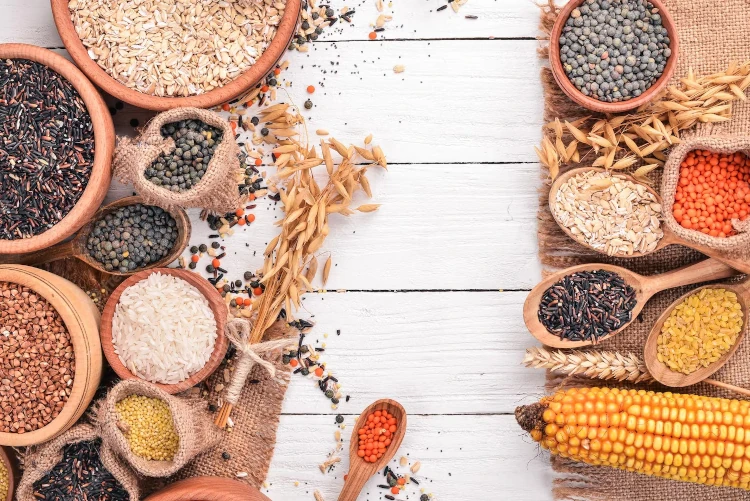
Du har registreret 7 portioner.
Det betyder, at du skal forøge med mindst 14 portioner.
Frugter
Frugter er ikke kun fremragende kilder til kostfibre, men indeholder også forskellige slags polyfenoler end dem, der findes i grøntsager.
Disse forbindelser stimulerer væksten af gavnlige bakterier og hæmmer patogener. Prøv noget nyt hver uge! Det er nemt at blive træt af æbler og bananer. Få mest muligt ud af sæsonens frugter, og prioriter når det er muligt forbruget af bær, druer og citrusfrugter.
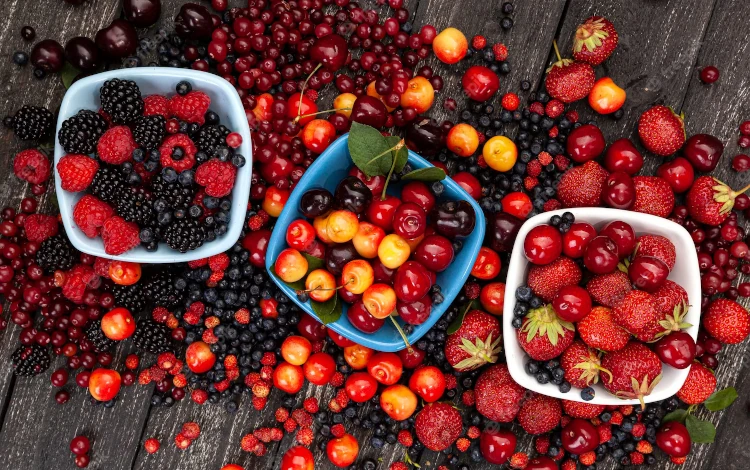
Du har registreret 15 portioner.
Det betyder, at du skal forøge med mindst 6 portioner.
Konkret bør du:
Bælgfrugter
Bælgfrugter er den mest alsidige kilde til planteprotein og har en bemærkelsesværdig ernæringsprofil.
De er en fremragende kilde til fiber og folat, lavt fedtindhold og natrium, rige på jern, glutenfri og kolesterolfri. Bælgplanter smager fantastisk i supper, smørepålæg, gryderetter, burgere, salater og som alternativer til kød.
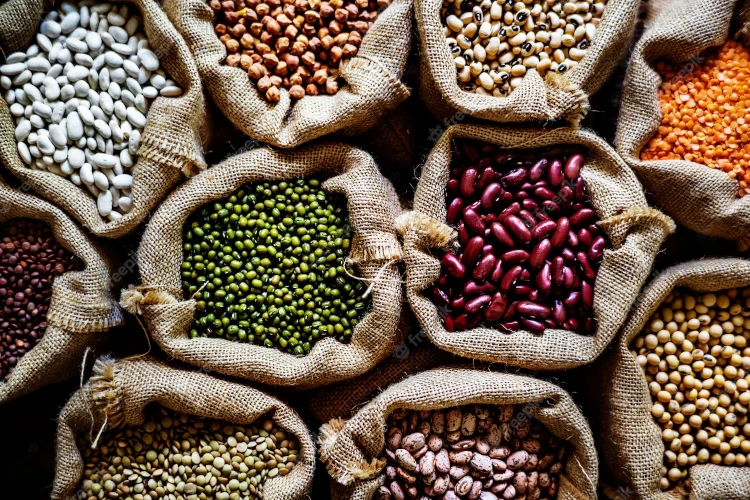
Du har registreret 4 portioner.
Det betyder, at du skal forøge med mindst 2 portioner.
Konkret bør du:
Nødder og Frø
Nødder og frø er allroundere: Rig på fibre, sundt fedt og protein.
Du kan drysse dine måltider med frø eller nødder. Tilføj dem til dine salater, varme retter og selvfølgelig til din morgenmad! Du kan vælge færdigblandede pakker for at sikre en god kombination af de forskellige varianter!
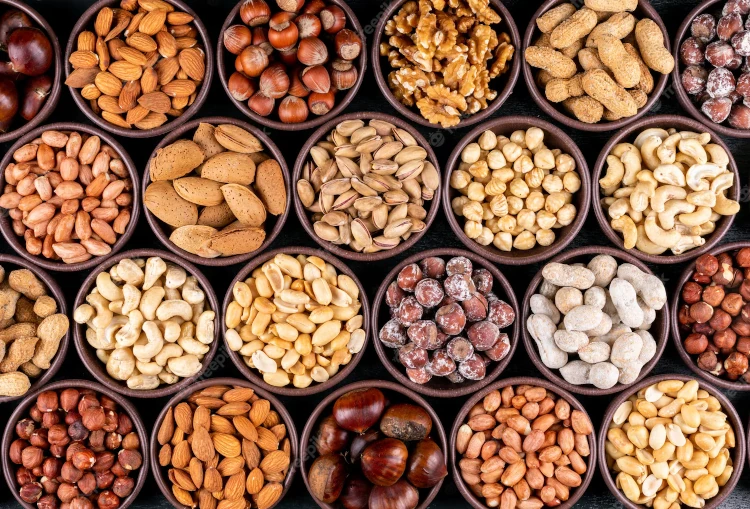
Du har registreret 17 portioner.
Det betyder, at du skal forøge med mindst 4 portioner.
Konkret bør du:
Grøntsager
Grøntsager indeholder et utal af kostfibre og andre næringsstoffer, der er afgørende for at understøtte et sundt tarmmikrobiom.
Spis en bred vifte af farvestrålende friske grøntsager på daglig basis. Prøv at inkorporere små mængder grøntsager i retter, som du allerede kan lide, f.eks. tilføje nogle gulerødder til spaghetti bolognese. En salat som tilbehør til din hovedret er altid en god mulighed.
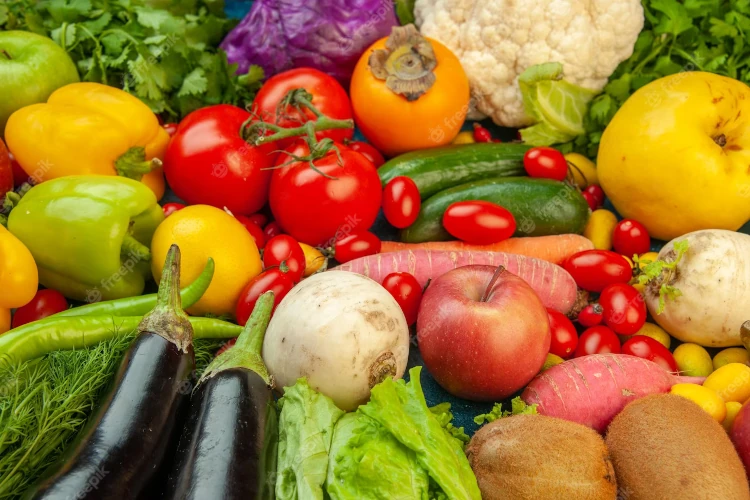
Du har registreret 32 portioner.
Godt arbejde. Hold niveauet.
Du bør sørge for at:
Mikrobiom superfoods giver dig mulighed for at finjustere dit mikrobiom. Du bør spise fødevarer i denne gruppe for at supplere et solidt grundlag af essentielle fødevarer.
Superfoods understøtter mangfoldigheden af tarmens økosystem, fordi de indeholder en stor gruppe gavnlige kemiske forbindelser eller levende mikrober.
3 ud af 3 fødevarekategorier i Superfoods afviger fra vores ideelle mikrobiom-diæt.
Olivenolie
Ekstra jomfruolivenolie indeholder store mængder oliesyre og polyfenoler, der er beskyttende mod kroniske sygdomme.
Dit tarmmikrobiom kan omdanne disse polyfenoler for at styrke din tarmbarriere, reducere inflammation og moderere dit immunsystems respons. Ekstra jomfru olivenolie er fantastisk som smørepålæg med en knivspids peber og salt, men også i hjemmelavet hummus eller pesto, eller i selve brødets dej!

Du har registreret 1 portioner.
Det betyder, at du skal forøge med mindst 20 portioner.
Polyphenol boostere
Polyphenol boostere er, hvad vi kalder fødevarer, der er meget rige på polyfenoler.
De har potentielle antioxidative, antiinflammatoriske og anti-kræftfremkaldende virkninger, der hjælper med at forhindre sygdomme og sygdomme forbundet med inflammation. Urter og krydderier, men også kaffe eller grøn te, bær, frø eller nødder og selvfølgelig oliven vil give dig et godt boost i polyfenoler.
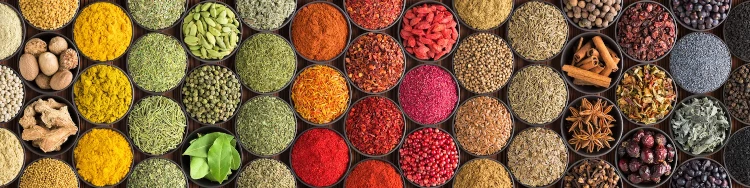
Du har registreret 3 portioner.
Det betyder, at du skal forøge med mindst 18 portioner.
Konkret bør du:
Fermenterede fødevarer
Gæring er en gammel konserveringsmetode, der udelukkende er baseret på mikrobiel aktivitet.
Når de indtages i tilstrækkelige mængder, kan fermenterede fødevarer hjælpe med at modulere mikrobiomet, mens de forbedrer og tilføjer smag til de måltider, du spiser. Spækket med levende mikroorganismer øger de din tarmmikrobioms diversitet og stabilitet. Hvis du er følsom over for mejeriprodukter, er der flere ikke-mejeriprodukter at vælge imellem: Vandkefir, surkål, kimchi eller kombucha.

Du har registreret 3 portioner.
Det betyder, at du skal forøge med mindst 11 portioner.
Disse fødevarer kan gavne dit tarm-mikrobiom, når de indtages i moderate mængder, dvs. ikke for lidt og ikke for meget.
I lighed med Superfoods øger Moderation fødevarer diversiteten på grund af specielle stoffer eller levende mikrober. Men i modsætning til Superfoods indeholder de også stoffer, der negativt påvirker tarm-mikrobiomet i for store mængder.
2 ud af 2 fødevarekategorier i Moderation fødevarer afviger fra vores ideelle mikrobiom-diæt.
Fisk og Skaldyr
Skaldyr er naturligt rige på omega-3, D-vitamin og selen, men er ofte også forurenet med tungmetaller.
Omega-3 fedtsyrer kan ikke fremstilles af den menneskelige krop, og skal derfor fås gennem kosten. Der synes at være en stærk sammenhæng mellem omega-3 fedtsyrer, antiinflammatoriske virkninger og immunrespons. Bliv mæt ved at spise fed fisk som makrel, laks eller sild; eller overvej veganske kilder til omega-3 fedtsyrer som tang, alger, frø, valnødder eller kidneybønner.
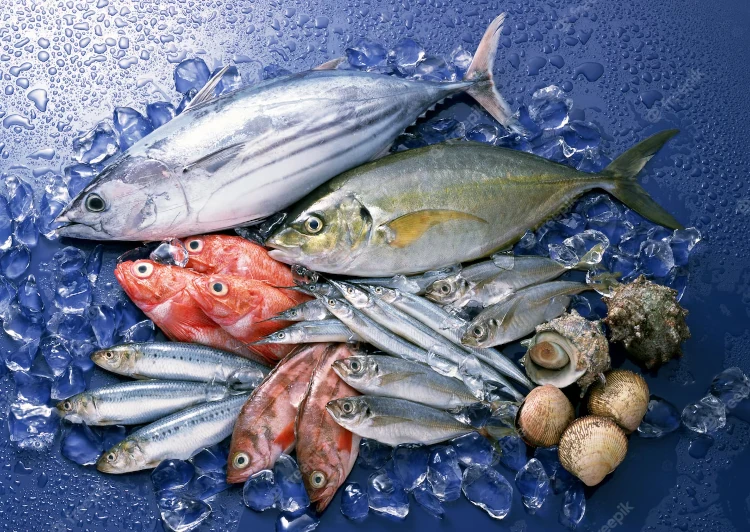
Du har registreret 0 portioner.
Det betyder, at du skal forøge med mindst 1 portioner.
Mejeri
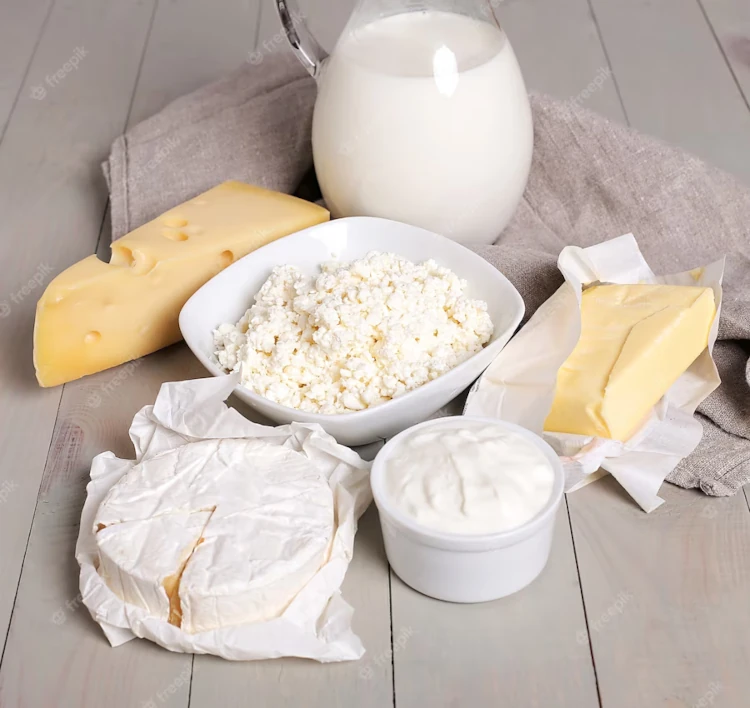
Mejeriprodukter er en nem måde at engagere sig i vores mikrobielle verden på.
De indeholder allerede probiotiske mikrober som Lactobacilli og Bifidobacteria. Vi anbefaler at spise en moderat mængde usødede fermenterede mælkeprodukter, som naturlig yoghurt eller ost. Som en generel regel indeholder de fleste oste mikrober, men det er værd at nævne, at de håndlavede oste indeholder større mængder.
Du har registreret 4 portioner.
Det betyder, at du skal forøge med mindst 10 portioner.
Konkret bør du:
Limitation fødevare er ikke godt for dit mikrobiom. Du bør se på fødevarer i denne gruppe som en snack, der skal nydes ansvarligt.
De indeholder usunde kemiske forbindelser eller mangler tilstrækkelige næringsstoffer til at understøtte et sundt tarm-mikrobiom.
3 ud af 6 fødevarekategorier i Limitation fødevarer afviger fra vores ideelle mikrobiom-diæt.
Slik, kager og chokolade
Slik, is og kager er ikke meget mere end smagsstoffer og sukkerarter.
Deres vitamin- og mineralindhold er ekstremt lavt, mens deres kalorier og afhængighed er ekstremt højt. Lad dig ikke friste! Vælg i stedet nødder eller frugter som sunde alternativer til at snacke på. Overvej bananskiver toppet med nøddesmør, hindbær med mørke chokoladechips eller chiafrøbudding som muligheder, når du har lyst til noget sødt.

Du har registreret 4 portioner.
Det betyder, at du skal reducere med mindst 3 portioner.
Konkret bør du:
Søde drikkevarer
Et højt indtag af sukkersødede drikke, såsom læskedrikke, har været forbundet med negative effekter for dit helbred.
Men at få nok væske er nøglen til vores mikrober og generelt velvære. Drik derfor vand, når du er tørstig, til dine måltider, og når du er fysisk aktiv. Overvej at tilføje citronskiver eller juice, mynte eller bær til mousserende vand for at tilføje smag.

Du har registreret 7 portioner.
Det betyder, at du skal reducere med mindst 4 portioner.
Konkret bør du:
Ultraforarbejdede fødevarer
Ultraforarbejdede produkter er yderst velsmagende, tilgængelige og langtidsholdbare, men alligevel er de skadelige for din tarm og din generelle sundhed.
De er typisk konstrueret af et begrænset antal industrielle ingredienser, hvilket betyder, at de er lave i kostfibre, mikronæringsstoffer, fytokemikalier og mikrober, der typisk findes i naturlige fødevarer. Den største risiko her er, at disse fødevarer er specielt designet til at være stærkt vanedannende. På grund af dette kan du udvikle vaner, der langsomt fortrænger ægte og nærende fødevarer i dine måltider.

Du har registreret 8 portioner.
Det betyder, at du skal reducere med mindst 4 portioner.
Kød og æg
Animalske produkter som kød og æg har en tendens til at indeholde høje mængder af mættet fedt, men også en række forskellige forbindelser, som bidrager til en højere risiko for hjerte-kar-sygdomme.
Carnitin, cholin, betain og lecithin er kemikalier, der næsten udelukkende findes i animalske produkter. Dine tarmmikrober og lever omdanner disse til trimethylamin-N-oxid (TMAO), som er en væsentlig risikofaktor for kroniske sygdomme. Hvis du spiser kød, skal du variere dit forbrug mellem højkvalitetskilder til magert hvidt kød, magert rødt kød og æg. Forsøg generelt at minimere dit forbrug så meget som muligt.

Du har registreret 1 portioner.
Godt arbejde. Hold niveauet.
Du bør sørge for at:
Alkohol
Alkohol udtømmer direkte bakterier med antiinflammatoriske egenskaber og eroderer din tarmbarriere.
Dette gør det muligt for skadelige bakterier eller komponenter i deres membraner at lække ind i blodbanen og nå andre organer, der kan blive beskadiget. Minimer dit forbrug så meget som muligt og undgå drikkevarer med tilsat sukker eller kunstige sødestoffer (cocktails, long drinks, industrielt fremstillede blandinger). Vi anbefaler at drikke moderate mængder rødvin på grund af dets høje polyphenolindhold på 'traditionel' måde under dagens hovedmåltid.

Du har registreret 1 portioner.
Godt arbejde. Hold niveauet.
Du bør sørge for at:
Kunstige sødemidler
Kunstige sødestoffer, der findes i forarbejdede fødevarer og drikkevarer, roder med din krops kemiske og indlærte reaktion på energiindtag.
For at opretholde et tilstrækkeligt energiniveau er det normalt, at din krop frigiver insulin efter at have spist noget sødt. Kunstige sødestoffer kan potentielt reducere søde fødevarers evne til at udløse denne naturlige reaktion. Dette kan igen øge appetitten og lysten til fødeindtagelse. Derfor kan overdreven indtagelse af højintensive kunstige sødestoffer ændre kropsvægtreguleringen og have negative effekter på dit helbred. Lejlighedsvis indtagelse af kunstige sødestoffer vil sandsynligvis ikke gøre nogen skade, men det betyder ikke nødvendigvis, at de er gavnlige for dit helbred. Vælg at spise rigtig mad, når det er muligt.

Du har registreret 0 portioner.
Godt arbejde. Hold niveauet.
Du bør sørge for at:
Der er stigende erkendelse af, at andre livsstilsfaktorer som rygning, forbrug af alkohol, brug af antibiotika, tidsforbrug i naturen og kvaliteten af din søvn kan have indflydelse på din tarms mikrobiom.
Læs mere om det her i dette modul.

Tarm-mikrobiomet har en døgnrytme, som stort set er reguleret af måltiderne. Forskere hævder, at det ikke kun er sammensætningen af din kost der betyder noget, men også hvornår vi indtager vores mad.
Vores kroppe fungerer optimalt, når vi tilpasser vores spisemønstre til vores døgnrytme.
Ting du skal overveje for ikke, at forstyrre din tarms døgnrytme:

At få nok søvn af god kvalitet er afgørende for at opretholde et optimalt helbred.
Ethvert system i vores krop har brug for nok hvile til at restituere og i sidste ende fungere optimalt. Vores energiniveauer, immunsystem, humør og endda fordøjelsessystemet er afhængig af tilstrækkelig søvn. Og når det kommer til tarmsundhed, er søvn lige så vigtig som regelmæssig motion og sammensætningen af din kost.
Det er vigtigt, at du bestræber dig på at få nok regelmæssig søvn. Råd til forbedring af søvnkvalitet:

Stress er en vigtig risikofaktor for mange almindelige funktionelle gastrointestinale lidelser, f.eks. IBS. Forbindelsen mellem stressniveauer og tarmsundhed er klar - det handler om tarm-hjerne-forbindelsen.
Vi bliver alle lidt stressede nogle gange - men kronisk udsættelse for stress kan ændre balancen i tarm-hjerne-forbindelsen.
Kommunikationen mellem mikrobiomet og hjernen er ekstremt kompleks og involverer en masse systemer i vores kroppe. Vagusnerven, tarmhormon signaler, immunsystemet, tryptofanmetabolisme og mikrobielle metabolitter, såsom kortkædede fedtsyrer.
Mikrobiomet spiller en central rolle i denne forbindelse, og tilstedeværelsen af stressfaktorer kan omforme tarmbakteriernes sammensætning gennem stresshormoner, betændelse og ubalancer i nervesystemet.

Fordøjelsen begynder i munden - når maden udsættes for spyt ved at tygge. Allerede her begynder enzymer at nedbryde madpartikler, før de kommer ned i tarmene. Jo længere tid maden er i kontakt med dit spyt, ved at tygge ordentligt, desto mindre luft kommer der sandsynligvis ned i maven, og jo bedre nedbrydes din mad.

Antibiotika er livreddende, men de betragtes også som en stor forstyrrelse af tarm-mikrobiomet. Medmindre du har en recept fra din læge, er det bedst at undgå dem.


At være udendørs kan have beskyttende virkning på dit helbred. Udover at styrke immunsystemet, hjælpe med stresshåndtering og forbedre søvnkvaliteten, kan mere tid i naturen påvirke din tarmsundhed. Undersøgelser viser, at miljøet omkring os spiller en stor rolle i moduleringen af tarmens mikrobielle sammensætning. Ved bevist at udsætte dig selv for forskellige økosystemer kan du øge din mikrobielle mangfoldighed.

Hvis det er muligt, skal du bruge en lille skammel til at løfte dine fødder, når du har afføring. Af anatomiske årsager vil dette sikre en mere fuldstændig tømning af din tarm. Du bliver også mindre belastet på denne måde.

Overdriv ikke personlig hygiejne, da det slet ikke er så slemt med en vis eksponering af fremmede mikrober.
Probiotika er levende mikroorganismer, der er godkendt som fødevarer i passende mængder i form af kosttilskud.
Her kan du se hvilke probiotiske bakterier forskellige produkter indeholder og se dine niveauer af disse bakterier ift. den valgte referencegruppe.
Husk, at kosttilskud aldrig kan erstatte en sund og varieret kost, og vi anbefaler altid, at du primært optimerer dit mikrobiom med din kost.
Intet på denne side er fremført som, eller skal opfattes som et godkendt claim.
Domæne: Denne kategori sorterer alt liv på jorden i et af tre domæner på et cellulært niveau. Hvert domæne har unikke evner: Bakterier kan vokse hurtigt. Archaea er i stand til at tilpasse sig ekstremer. Eukaryote celler kan danne multicellulære organismer.
Denne klassificering af levende celler i tre domæner har eksisteret siden 1990'erne og er det konstant revurderet baseret på nye videnskabelige opdagelser. For at hjælpe med at forstå konceptet for disse klasser, bruger vi klassificeringen af dyr.
Domæner kan opdeles i rækker.
Eksempel: Dyr kan opdeles i "phyla", som for eksempel dyr med rygmarv, dyr med et eksoskelet osv.
Rækker kan opdeles i klasser.
Klassen "Dyr med en rygmarv" indeholder dyr som fx krybdyr, fugle, pattedyr mv.
Klasser kan opdeles i ordener.
Pattedyr indeholder "ordener" af primater, gnavere, flagermus osv.
Ordener kan opdeles i familier.
I primater skelner vi mellem "familier" af store aber, gibbon aber, lemurer osv.
Familier kan opdeles i slægter.
De store aber opdeler vi i "slægter" som orangutanger, gorilla, chimpanser og Homo (hvoraf kun de moderne mennesker er tilbage) osv.
En slægt kan opdeles i arter. Denne kategori definerer organismen. Hvis en bakterie har næsten identisk DNA til en anden bakterie, det anses for at være den samme art. Slægt og artsnavne danner tilsammen det unikke navn på en organisme. For eksempel betyder E. coli Escherichia (slægt) coli (art).
Slægten Homo indeholder kun en levende "art": Homo sapiens - mennesker.
Vælg din foretrukne opgradering:


Bemærk venligst, at opgraderingen af din mikrobiom rapport tager op til 24 timer.
Vi tilbyder ikke refusion for opgraderinger, fordi du har adgang til data når du har købt det. Den forbliver hos dig for evigt, medmindre du sletter den.